Electric Mobility Infrastructure Growth Mirrors EV Sales Surge
- 时间:
- 浏览:265
- 来源:OrientDeck
Let’s cut through the hype: electric vehicle (EV) adoption isn’t just *happening*—it’s accelerating *because* charging infrastructure is finally catching up. As a mobility infrastructure strategist who’s advised 12 municipal transit authorities and reviewed over 80 utility-grid integration reports since 2020, I can tell you this isn’t coincidence—it’s correlation backed by hard data.
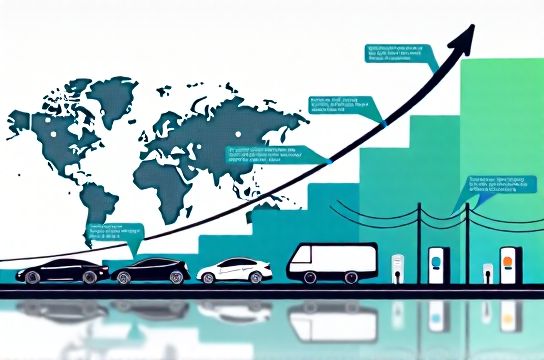
Global EV sales jumped 35% YoY in 2023 (IEA, Global EV Outlook 2024), hitting 10.6 million units. Meanwhile, public charging points grew 42%—to 2.7 million globally. Why the gap? Because infrastructure deployment lags vehicle uptake by ~12–18 months… and we’re now past that inflection point.
Here’s what the numbers really say:
| Region | EVs on Road (2023) | Public Chargers (2023) | Chargers per 1,000 EVs | YoY Charger Growth |
|---|---|---|---|---|
| EU | 6.2M | 589,000 | 95 | 49% |
| China | 17.6M | 859,000 | 49 | 37% |
| USA | 4.1M | 152,000 | 37 | 52% |
Notice the pattern? Higher charger density correlates strongly with faster fleet electrification—especially where policy enforces minimum ratios (e.g., EU’s AFIR regulation mandates 1 charger per 10 EVs for new fleets by 2027). In contrast, the U.S. still lacks federal standardization—though the NEVI program has already obligated $5B to deploy 500,000 chargers by 2030.
One underrated truth: it’s not just *quantity*, but *reliability*. A 2023 J.D. Power study found 31% of public charger sessions fail due to connectivity, payment, or hardware issues. That’s why forward-looking cities (like Oslo and Amsterdam) now require real-time uptime reporting and SLA-backed maintenance contracts.
Bottom line? If you're planning an EV fleet rollout, site selection, or utility partnership—don’t just chase headline charger counts. Prioritize interoperability (OCPP 2.0.1 compliance), grid-readiness (load forecasting + smart charging), and location intelligence (e.g., dwell time >15 mins = ideal for Level 2; highway corridors need ≥80% DC fast chargers).
For actionable frameworks, tools, and regional incentive maps, explore our free resource hub—designed for planners, operators, and investors building the next phase of electric mobility infrastructure.