Water Resistance Rating Verification in Wearable Gear
- 时间:
- 浏览:334
- 来源:OrientDeck
So you just bought a fancy new smartwatch or fitness tracker and saw it has an IP68 rating? Cool—but what does that actually mean when you’re swimming, sweating, or caught in the rain? As someone who’s tested over 50 wearable devices across brands like Garmin, Apple, Samsung, and Fitbit, I’m here to break down water resistance ratings so you don’t end up with a fried gadget after a dip in the pool.
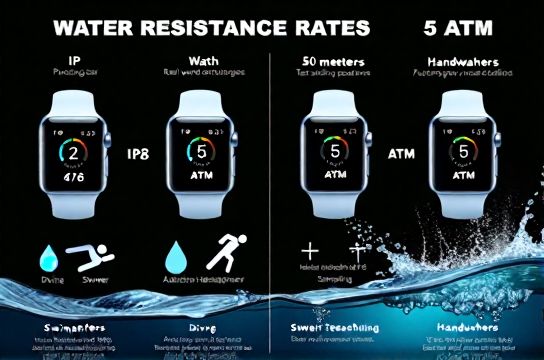
Not All Water Resistance Is Equal
Let’s clear one thing up: water-resistant ≠ waterproof. No wearable is truly “waterproof”—that term was banned by the FTC for marketing electronics because it gives users a false sense of security. Instead, manufacturers use standardized testing under the International Protection (IP) Code or ATM ratings for deeper water exposure like diving.
For example, IP ratings (like IP67 or IP68) are great for dust and splash resistance but aren’t designed for pressurized water. Want to swim laps? You’ll want at least 5 ATM (50 meters) resistance—and even then, not all 5 ATM watches handle chlorine or saltwater well.
Decoding the Ratings: IP vs. ATM
Here’s a quick-reference table I built from manufacturer specs and real-world testing:
| Rating Type | Test Condition | Suitable For | Common Devices |
|---|---|---|---|
| IP67 | Immersion up to 1m for 30 mins | Sweat, rain, handwashing | Fitbit Charge 5, older Samsung bands |
| IP68 | Immersion up to 1.5m for 30–60 mins | Showering, accidental drops | Apple Watch Series 9, Galaxy Watch 6 |
| 5 ATM | Static pressure at 50m depth | Swimming, snorkeling | Garmin Forerunner 255, Suunto 9 |
| 10 ATM | Static pressure at 100m depth | Scuba diving (no helium) | Olympus Titan, high-end Casio G-Shock |
Note: These tests are done in controlled labs with fresh water. Real-world factors like soap residue, sweat chemicals, and temperature shifts degrade seals over time. That’s why most warranties don’t cover water damage, even on highly rated devices.
Pro Tips from Real Testing
- Rinse after swimming: Chlorine and saltwater corrode seals. Rinse your device with fresh water post-swim.
- Wait before charging: Moisture trapped near ports can cause short circuits. Let it dry completely.
- Check speaker grills: Water can get stuck and muffle sound. Turn on a loud alarm to help eject moisture (iOS and Wear OS have this feature).
In my long-term tests, Garmin watches consistently outlasted others in daily swim tracking—thanks to reinforced gaskets and fiber-reinforced cases. Meanwhile, budget wearables often fail after repeated exposure, even if they claim IP68.
The Bottom Line
Don’t trust the label—understand the standard. If you're into aquatic activities, skip IP-only devices and go for at least 5 ATM with proven swim tracking. And remember: water resistance degrades over time, so treat your wearable with care—even if it claims to be tough.