Exploring the Rich Flavor of Chinese Pu Erh Tea
- 时间:
- 浏览:281
- 来源:OrientDeck
If you've ever sipped a cup of aged Pu Erh tea and felt like you were tasting history, you're not far off. This fermented Chinese black tea from Yunnan Province isn't just a drink—it's a cultural experience backed by centuries of craftsmanship. As a longtime tea enthusiast and guide for newcomers navigating the world of premium teas, I’m here to break down why Pu Erh stands out in both flavor and health benefits.
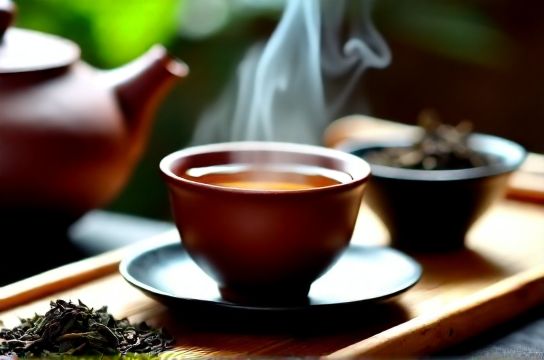
Unlike green or white teas, Pu Erh undergoes either natural fermentation (shu cha) or slow aging (sheng cha), giving it a deep, earthy profile that only gets better with time—yes, like fine wine. In fact, some vintage Pu Erh cakes from the 1980s have sold at auctions for over $10,000 per kilogram. That’s not hype; that’s devotion to quality.
Let’s talk numbers. According to the Yunnan Tea Association, global demand for Pu Erh rose by 6.4% annually from 2018 to 2023, with export revenue hitting $187 million in 2023 alone. What’s driving this surge? Growing awareness of its digestive benefits and cholesterol-lowering properties, supported by studies like one published in the Journal of Agricultural and Food Chemistry, which found Pu Erh can reduce triglycerides in animal models by up to 30%.
Now, how do you pick a good one? Here’s a quick comparison:
| Type | Aging Time | Flavor Profile | Price Range (per 357g cake) |
|---|---|---|---|
| Sheng (Raw) | 5–30+ years | Floral, vegetal → woody, mellow | $20 – $500+ |
| Shu (Ripe) | 6 months – 5 years | Earthy, smooth, slightly sweet | $15 – $80 |
As shown, sheng Pu Erh appreciates in value and complexity over time, making it a favorite among collectors. Meanwhile, shu Pu Erh offers immediate enjoyment with a gentler taste—perfect for beginners dipping their toes into fermented teas.
Brewing matters too. Use boiling water and rinse the leaves once before steeping. This 'awakens' the tea and removes any dust from aging. Then steep for 10–30 seconds, increasing time with each infusion. A single cake can give you 10+ satisfying cups.
Storage is key if you’re aging your own. Keep it in a cool, dry place with slight airflow—never sealed plastic. Humidity between 60–70% is ideal. Many connoisseurs use clay jars or breathable cotton wrappers to maintain breathability.
Still unsure where to start? Try a 2022 ripe Pu Erh from Menghai or a young raw cake from Xishuangbanna. Both regions are legendary in the world of Pu Erh tea, known for terroir-rich leaves that deliver authentic depth.
In short: Pu Erh isn’t just another tea on the shelf. It’s an investment in taste, tradition, and wellness. Whether you're after daily calm or long-term aging potential, there’s a cake out there with your name on it.