Top Mistakes to Avoid When Buying from China
- 时间:
- 浏览:193
- 来源:OrientDeck
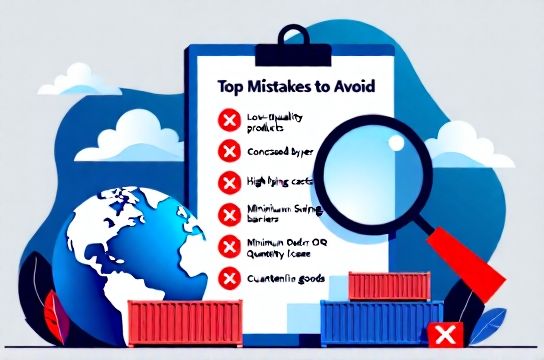
So you're thinking about sourcing products from China? Smart move. With competitive pricing and massive manufacturing capabilities, it's no wonder that over 70% of global buyers turn to China for their supply needs. But here’s the kicker: many newcomers make avoidable mistakes that cost time, money, and sanity. Let’s break down the top blunders — and how to dodge them like a pro.
1. Skipping Due Diligence on Suppliers
Just because a supplier has a shiny Alibaba profile doesn’t mean they’re legit. Fake certifications, stolen photos, and inflated reviews are more common than you’d think.
Pro tip: Always request business licenses, conduct video calls, and use third-party verification services like SGS or TÜV. Better yet — visit the factory in person if possible.
2. Ignoring MOQs (Minimum Order Quantities)
New importers often get lured by low unit prices without realizing the catch: high MOQs. A $1 widget might seem great — until you realize you must buy 5,000 units.
| Product Type | Avg. MOQ | Avg. Unit Price |
|---|---|---|
| Electronics (e.g., power banks) | 1,000–3,000 pcs | $3.50–$8.00 |
| Apparel (e.g., cotton t-shirts) | 500–1,000 pcs | $2.00–$4.50 |
| Home Goods (e.g., silicone utensils) | 1,000 pcs | $1.20–$2.80 |
Plan your inventory and cash flow accordingly. Consider starting with smaller suppliers who offer flexible MOQs.
3. Overlooking Shipping & Hidden Costs
The product might be cheap, but shipping, customs, duties, and insurance can double your costs. Air freight is fast but expensive (~$6/kg), while sea freight is economical (~$1,200 per container) but slow (30–45 days).
Also, watch out for port fees, handling charges, and VAT. Use a reliable freight forwarder and always get a landed cost estimate before placing an order.
4. Poor Communication & Language Gaps
"Yes" doesn’t always mean yes. Cultural differences and language barriers can lead to misunderstandings. For example, a supplier saying "maybe" could actually mean "no," but they’re being polite.
Solution: Be clear, specific, and confirm everything in writing. Use simple English, avoid idioms, and consider hiring a bilingual agent.
5. Skipping Product Sampling
Never skip the sample stage! Pay for a pre-production sample to check quality, materials, and packaging. It’s a small cost ($50–$200) that can save you thousands in defective bulk orders.6. Not Protecting Your Brand
Ever heard of "copycat factories"? Some Chinese manufacturers produce identical items for other brands — or worse, start selling your design under their name. Register your trademarks early and sign a solid Non-Disclosure and IP Protection Agreement.
Final Thoughts
Buying from China can be incredibly profitable — if done right. Do your homework, communicate clearly, and never rush the process. As one seasoned importer says: "The cheapest option today could be the most expensive mistake tomorrow."