Understanding Customs Fees When Buying from China Sites
- 时间:
- 浏览:365
- 来源:OrientDeck
So you've found an insane deal on a gadget from a Chinese e-commerce site — super low price, free shipping, and it ships worldwide. Sounds like a dream, right? But then… surprise! A customs fee hits your inbox when the package arrives at your local border. Suddenly, that $30 item costs $50. What gives?
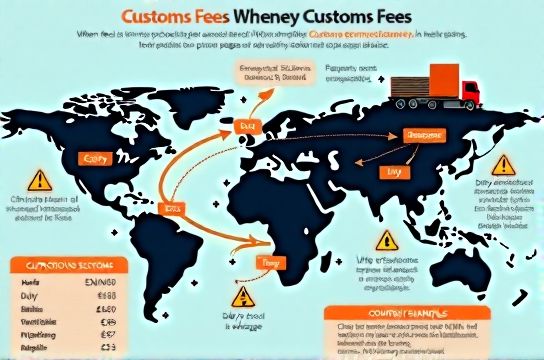
Welcome to the not-so-secret world of international shipping and customs fees. If you’re buying from platforms like AliExpress, Taobao, or Temu, understanding how customs work can save you serious cash — and frustration.
What Are Customs Fees, Anyway?
Customs fees (also called import duties or tariffs) are taxes imposed by your country’s government on goods brought in from abroad. They exist to protect local industries, regulate imports, and generate revenue. The amount you pay depends on:
- The declared value of the item
- The product category (e.g., electronics vs. clothing)
- Your country’s import rules
- Whether the shipment crosses duty-free thresholds
Do All Packages Get Charged?
Nope! Many countries have a duty-free threshold — a minimum value below which no fees apply. For example:
| Country | Duty-Free Threshold (USD) | Notes |
|---|---|---|
| United States | $800 | De minimis value under Section 321 |
| Canada | $20 | Goods over CAD 20 may incur GST + duties |
| Australia | $1,000 | Includes GST at 10% |
| UK | £135 | Duties apply above this amount |
| EU Countries | €150 | VAT + possible tariffs |
If your package is under the threshold, you likely won’t pay anything. That’s why many Chinese sellers declare lower values — sometimes suspiciously low — to help buyers avoid fees.
How Are Fees Calculated?
Let’s say you’re in Germany and buy a $120 smartwatch. Here’s how the math might go:
- Item Value: $120
- VAT (19%): $22.80
- Import Duty (3.5% for watches): $4.20
- Processing Fee (carrier charge): ~$15
Total Extra Cost: ~$42 — that’s a 35% increase!
Tips to Minimize Surprise Fees
- Check Your Country’s Threshold — Know the limit before you shop.
- Split Large Orders — Two $300 items might be cheaper than one $600 shipment if you're near a threshold.
- Ask Sellers to Undervalue (Carefully) — Some allow marking as "gift" with lower declared value, but this is technically against customs law.
- Use ePacket or Postal Services — They often handle customs more smoothly than private couriers like DHL, who love charging processing fees.
The Bottom Line
Buying from Chinese sites can still be a win — just go in eyes open. Always factor in potential customs fees when comparing prices. A $10 item isn’t a bargain if it comes with a $20 fee. Use tools like SimplyDuty.com to estimate charges before ordering.
Stay smart, ship savvy, and happy shopping!