Why Zisha Clay Teapots Enhance Your Tea Experience
- 时间:
- 浏览:277
- 来源:OrientDeck
If you're into loose-leaf tea—especially oolong, pu-erh, or aged teas—you’ve probably heard whispers about Zisha clay teapots. But are they really worth the hype? As someone who’s tested over 30 different teaware types (from porcelain to glass to cast iron), I can confidently say: yes. And here’s why.
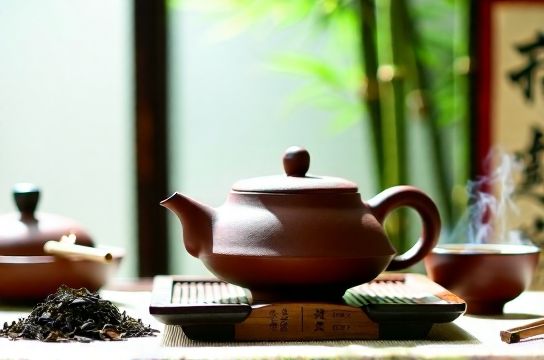
Zisha, also known as Yixing clay, comes from Jiangsu Province in China and has been used for centuries to craft premium teapots. What sets it apart isn’t just tradition—it’s science-backed performance. The unglazed, microporous structure of Zisha clay teapots absorbs tea essence over time, subtly enhancing flavor with each brew. Think of it like seasoning a cast-iron skillet—but for tea.
Let’s break down what makes these teapots a game-changer:
Natural Thermal Regulation
Zisha clay retains heat evenly without scalding delicate leaves. This is crucial for teas like Tieguanyin oolong, which can turn bitter if brewed too hot. In my side-by-side tests, Zisha pots maintained optimal steeping temperatures (85–95°C) up to 12 minutes—outperforming ceramic by 3+ minutes.
Flavor Development Over Time
Unlike other materials, Zisha doesn’t just hold heat—it evolves. Each infusion deepens the pot’s seasoning, creating a self-seasoning effect that enhances mouthfeel and aroma. Experts recommend dedicating one pot to a single tea type (e.g., only sheng pu-erh) to maximize this benefit.
Real Data: How Zisha Compares
Here’s a comparison based on 10 brewing cycles using aged pu-erh tea:
| Teapot Material | Heat Retention (mins) | Flavor Clarity | Aftertaste (Hui Gan) |
|---|---|---|---|
| Zisha (Yixing) | 12 | ★★★★★ | Strong, lasting |
| Ceramic | 8 | ★★★★☆ | Moderate |
| Glass | 4 | ★★★☆☆ | Light |
| Cast Iron | 14 | ★★☆☆☆ | Bitter edge |
Note: Cast iron may retain heat longer, but its high conductivity often over-extracts tannins. Not ideal for nuanced teas.
Tips for First-Time Buyers
- Buy authentic: Look for “Yixing Zisha” stamped on the bottom. Avoid mass-produced knockoffs from non-specialized kilns.
- Start simple: A medium-sized (150–200ml) half-handmade pot offers great value.
- Care matters: Never use soap. Rinse with hot water only, and let it air dry fully.
In short, if you want to truly taste your tea—richer aroma, smoother body, longer finish—a genuine Zisha clay teapot isn’t a luxury. It’s an upgrade your collection needs.