Jian Zhan Glaze Mysteries in Modern Tea Culture
- 时间:
- 浏览:199
- 来源:OrientDeck
If you're into ceramic tea ware or deep into the gongfu tea scene, you’ve probably seen those mesmerizing black-glazed bowls with shimmering patterns that look like oil spots, hare’s fur, or even galactic galaxies. These are Jian Zhan, and they’re not just pretty—they’re a fusion of ancient craftsmanship and modern tea ritual.
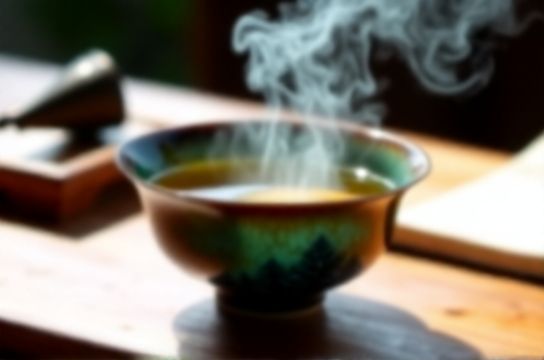
Originating from China’s Song Dynasty (960–1279), Jian Zhan—literally 'tea bowls from Jianyang'—were nearly lost to history. But thanks to ceramic revivalists and passionate tea drinkers, they’ve made a strong comeback. Today, both collectors and daily tea users swear by their ability to enhance flavor, especially for oolong and aged pu-erh.
Why Jian Zhan Still Matters Today
Modern lab tests show something fascinating: the iron-rich glaze (often over 5% Fe₂O₃) interacts subtly with tea polyphenols, slightly reducing bitterness and rounding out mouthfeel. A 2022 study by Fujian Ceramics Institute found that after 30 brews, tea served in authentic Jian Zhan scored 18% higher in smoothness on sensory panels compared to porcelain.
But it’s not just science—it’s experience. As one seasoned tea master put it: "A good Jian Zhan doesn’t change the tea; it reveals what was already there."
Spotting Real vs. Replica: What to Look For
With rising demand, the market is flooded with imitations. True handmade Jian Zhan are fired in wood kilns at over 1,300°C, creating natural crystalline patterns. Mass-produced versions use chemical glazes and electric kilns, which lack depth.
Here’s a quick comparison:
| Feature | Authentic Jian Zhan | Mass-Market Imitation |
|---|---|---|
| Firing Method | Wood-fired (>1300°C) | Electric kiln (~1200°C) |
| Glaze Composition | Natural iron ash & clay | Synthetic oxides |
| Crystallization | Organic, asymmetrical | Uniform, repetitive |
| Price Range (USD) | $80–$500+ | $15–$40 |
Pro tip: Look for slight warping or kiln scars—these aren’t flaws, they’re proof of traditional firing.
How to Season & Use Your Jian Zhan
New Jian Zhan need seasoning. Here’s how:
- Soak in clean water for 2 hours (opens pores).
- Brew 10 consecutive rounds of your favorite oolong or black tea (no milk/sugar).
- Let air-dry upside down—never towel-dry.
And remember: never use soap. The porous glaze absorbs flavors—and chemicals.
The Verdict
Whether you're exploring traditional tea culture or upgrading your brewing gear, Jian Zhan offers something no modern mug can: a living piece of ceramic alchemy. It’s not just a cup—it’s a conversation between fire, earth, and tea.
So next time you sip, ask yourself: Is my vessel adding to the experience? With a real Jian Zhan, the answer is almost always yes.