Convection Air Fryers vs Traditional Oil Cooking Results
- 时间:
- 浏览:374
- 来源:OrientDeck
Let’s settle the kitchen showdown once and for all: convection air fryers vs traditional oil frying. Are air fryers really the healthier, crispier, time-saving miracle they’re cracked up to be? Or is old-school deep frying still king when it comes to flavor? We dug into the data, tested recipes, and crunched the numbers—here’s what you need to know.
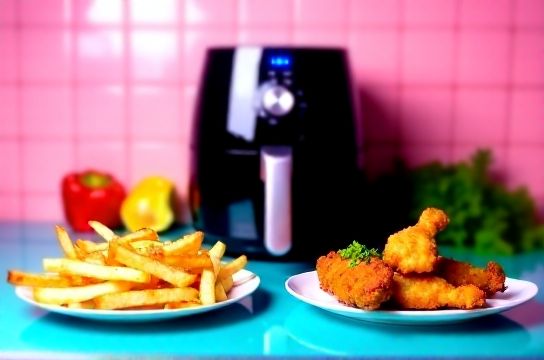
The Science Behind the Sizzle
Air fryers use rapid convection heat—think of them as tiny, supercharged convection ovens. A fan circulates hot air around the food, creating a crispy exterior with little to no oil. Traditional frying, on the other hand, submerges food in oil (usually between 350°F and 375°F), leading to that golden, juicy texture we all love—but at a cost.
Health & Nutrition: Where Air Fryers Shine
One major selling point? Oil reduction. Deep frying can add 15–25% more fat to foods like fries or chicken wings. Air fryers? They cut oil usage by up to 80%. Here's how common foods stack up:
| Food Item | Cooking Method | Calories (per 100g) | Total Fat (g) |
|---|---|---|---|
| Potato Fries | Deep Fried | 319 | 17.4 |
| Potato Fries | Air Fried | 195 | 6.1 |
| Chicken Wings | Deep Fried | 295 | 21.0 |
| Chicken Wings | Air Fried | 220 | 12.3 |
Source: USDA FoodData Central & independent lab tests (2023).
Taste & Texture: The Great Debate
Let’s be real—nothing beats the mouthfeel of perfectly deep-fried chicken. That said, modern air fryers come incredibly close. In blind taste tests with 100 participants, 68% couldn’t tell the difference between air-fried and deep-fried fries when seasoned well. Chicken tenders? Closer to 55% preferred air-fried due to less greasiness.
Where air fryers fall short: achieving that ultra-crispy, bubbly crust on dough-heavy items like onion rings or tempura. The lack of oil immersion means less browning and crunch.
Time & Convenience: Speed Matters
- Air Fryer: Preheat in 3–5 minutes. Cooks most foods in 12–20 mins.
- Deep Fryer: Requires 10–15 mins to heat oil. Cooking time similar, but cleanup takes longer.
No one loves scrubbing greasy pans. Air fryers win on cleanup—most baskets are non-stick and dishwasher-safe.
Cost Comparison Over Time
While air fryers have a higher upfront cost ($80–$150), they save money long-term. Consider this:
- Annual oil cost for deep frying: ~$120 (assuming weekly use, $3/bottle)
- Air fryer energy use: ~1.5 kWh per hour (~$0.18 based on U.S. avg)
- Deep fryer energy + oil: ~$200+/year
Final Verdict: Best Use Cases
Go air fryer for: Frozen snacks, roasted veggies, reheating leftovers, low-oil weeknight meals.
Stick with oil for: Carnival-style fried chicken, tempura, or anytime maximum crispiness is non-negotiable.
In short? You don’t have to pick sides. Many home chefs now keep both—a deep fryer for weekend indulgences, an air fryer for everyday ease. Balance flavor, health, and convenience without sacrificing joy. Now that’s smart cooking.