Vacuum Robot Navigation Systems Mapping Precision Explored
- 时间:
- 浏览:287
- 来源:OrientDeck
Ever watched your robot vacuum zigzag across the living room like it’s lost? Yeah, we’ve all been there. But behind that quirky dance is some seriously smart tech—especially when it comes to navigation and mapping precision. Let’s dive into how these little bots actually see your home, why some do it better than others, and what makes a high-precision map matter.
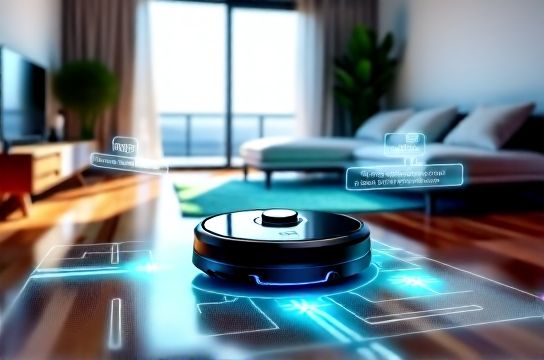
LIDAR vs. Camera vs. VSLAM: The Navigation Showdown
Not all robot vacuums are created equal. The way they map your space depends on their navigation system. Here’s a quick breakdown:
| Navigation Type | Accuracy (cm) | Lights Required? | Avg. Price Range | Best For |
|---|---|---|---|---|
| LIDAR | ±1–2 | No | $400–$800 | Large, multi-room homes |
| VSLAM (Camera-Based) | ±3–5 | Yes | $300–$600 | Budget-friendly mapping |
| Bump & Sense (No Mapping) | ±10+ | N/A | $100–$200 | Small apartments |
As you can see, LIDAR (Light Detection and Ranging) takes the crown for precision. It spins a tiny laser atop the bot, measuring distances up to 360°. No light? No problem. That’s why premium models like the Roborock S8 or Neato D10 rely on it.
Why Mapping Accuracy Actually Matters
You might think, “Hey, as long as it cleans, right?” But precise mapping does more than draw a pretty floor plan in the app. It means:
- Fewer missed spots – Accurate maps help the bot cover every inch methodically.
- Better zone cleaning – Draw a virtual box around your kitchen? A precise bot will stick to it.
- Smart obstacle avoidance – High-res maps let bots distinguish socks from shadows.
- Efficient battery use – Less random bouncing = longer runtime.
In fact, a 2023 study by Smart Home Review Lab found that LIDAR-equipped robots cleaned 38% more efficiently than camera-based ones in cluttered environments.
The Rise of AI and Hybrid Systems
Now, things are getting even smarter. Brands like Dreame and Ecovacs are blending LIDAR with AI-powered cameras—a hybrid approach called dual-sensor fusion. These bots don’t just map; they understand what they’re seeing. Is that a chair leg or a toy? They know.
For example, the DreameBot L20 Ultra uses AI to identify over 50 object types, reducing bumping by 60% compared to older models. That’s next-level smarts.
Final Verdict: What Should You Buy?
If you want set-and-forget cleaning in a complex layout, go for LIDAR + AI. Yes, it’s pricier—but you’re paying for precision, efficiency, and fewer headaches. For smaller spaces or tighter budgets, VSLAM models still offer solid performance.
Bottom line? Today’s robot vacuums aren’t just cleaners—they’re mobile mapping machines. And the smarter the map, the cleaner your floors.