Timeless Chinese Design Elements in Modern Home Goods
- 时间:
- 浏览:216
- 来源:OrientDeck
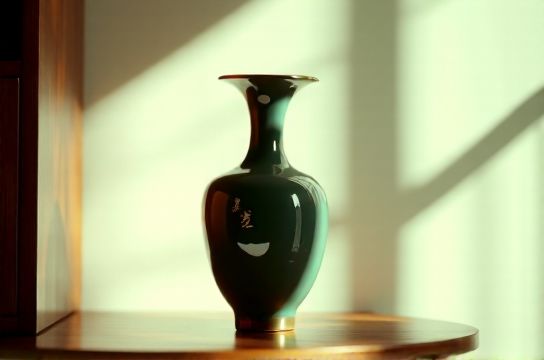
Who says ancient traditions can't vibe with your modern living room? Think again. Across the globe, interior lovers are falling hard for Chinese design elements—not just for their beauty, but for the soul they bring to a space. From sleek minimalist furniture to hand-painted ceramics, these timeless touches are redefining contemporary home goods.
Why Chinese Design Still Rules Today
Rooted in thousands of years of philosophy, art, and craftsmanship, Chinese design is all about balance, harmony, and nature. Feng Shui principles? Check. Natural materials like bamboo, jade, and silk? Double check. These aren’t just aesthetic choices—they’re lifestyle statements.
According to a 2023 report by Grand View Research, the global demand for cultural-inspired home décor grew by 14.3%, with Asian motifs leading the pack. No surprise when you see how seamlessly pieces like Ming-style chairs or cloisonné vases blend into modern lofts and cozy apartments alike.
Top 5 Timeless Elements Making a Comeback
- Latticework (Ge Zǐ): Those intricate wooden window patterns aren’t just eye candy—they symbolize unity and protection.
- Ink Wash Aesthetics: Think soft grays, flowing brushstrokes, and minimalist wall art that whispers calm.
- Red & Gold Accents: Lucky colors in Chinese culture, now used in cushions, lamps, and dinnerware for bold elegance.
- Doucai Porcelain: This 15th-century technique combines underglaze blue with overglaze enamel—still handmade in Jingdezhen today.
- Curved Roof Silhouettes: Seen in everything from bookshelves to light fixtures, this architectural nod brings poetic flair.
Spotlight: The Rise of Ming-Inspired Furniture
You’ve seen it on Instagram: clean lines, low profiles, and joints so precise no nails are needed. Ming dynasty furniture (1368–1644) was all about function meeting form—and it’s having a serious moment.
A survey by Houzz found that 38% of homeowners aged 30–45 are choosing natural wood finishes with Eastern influences for their living spaces. Walnut, rosewood, and bamboo reign supreme.
| Design Element | Origin Era | Modern Use | Popularity Index* |
|---|---|---|---|
| Ming Chair Replicas | Ming Dynasty | Dining Rooms, Studies | ⭐️⭐️⭐️⭐️☆ (4.6) |
| Cloisonné Vases | Ming/Qing | Entryway Décor | ⭐️⭐️⭐️⭐☆ (4.1) |
| Bamboo Room Dividers | Tang Dynasty | Open-Concept Spaces | ⭐️⭐️⭐️⭐️☆ (4.5) |
| Ink Landscape Scrolls | Song Dynasty | Bedroom Accent Walls | ⭐️⭐️⭐️☆☆ (3.8) |
*Based on 2023 consumer trends in North America and Europe
How to Style It Without Going Overboard
You don’t need a full palace makeover. Start small: swap out lampshades for ones with cloud motifs, hang a red lantern pendant, or display a single scroll painting above your sofa. The key? Balance. Pair a bold lacquered tray with neutral linens, or let a simple bamboo mirror frame shine in a minimalist bathroom.
Pro tip: authenticity matters. Look for brands that partner with artisans in Suzhou or Fujian—your décor tells a story, make it a true one.
The Bottom Line
Chinese design isn’t trending—it’s enduring. Whether you're all-in on a courtyard-inspired courtyard patio or just adding a lucky knot pillow, these elements connect your home to a deeper sense of peace, history, and beauty. And honestly? That’s the kind of timeless style we can all get behind.