Creative Problem Solving Through Chinese Eyes
- 时间:
- 浏览:216
- 来源:OrientDeck
When it comes to creative problem solving, Western logic often leans on linear thinking and individual innovation. But what if we looked through Chinese eyes? Spoiler: it’s not just about Confucius quotes and yin-yang balance — it’s a whole different mindset rooted in harmony, context, and long-term vision.
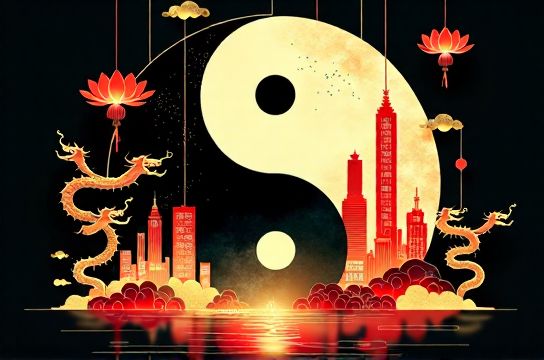
China’s rapid rise in tech, urban planning, and education isn’t accidental. It’s fueled by a unique blend of ancient philosophy and modern pragmatism. Let’s dive into how the Chinese approach creativity — not as a sudden 'eureka!' moment, but as a cultivated process shaped by culture, history, and collective wisdom.
The Philosophy Behind the Process
At the heart of Chinese problem solving lies wu wei (无为) — effortless action. Sounds paradoxical? That’s the point. Instead of brute-forcing solutions, the Chinese way often emphasizes going with the flow, observing patterns, and making subtle adjustments. Think of it like tai chi: soft yet powerful, indirect yet effective.
Confucian values also play a big role — respect for hierarchy, emphasis on relationships (guanxi), and learning from the past. Meanwhile, Daoist thinking encourages flexibility and embracing uncertainty. Together, they form a mental toolkit that prioritizes adaptation over disruption.
How It Works in Real Life
Take Shenzhen, once a fishing village, now a global tech hub. How did it happen so fast? Not through lone geniuses in garages, but via government-guided ecosystems, rapid prototyping, and copy-improve-scale strategies. This is collective creativity — where innovation thrives through iteration and teamwork, not just originality.
In education, Chinese students are trained to master fundamentals before exploring creativity. This might seem rigid, but it builds deep expertise. According to OECD PISA data, Chinese students consistently rank top in math and science — laying the groundwork for real-world problem solvers.
Data That Speaks Volumes
Check out this snapshot of China’s innovation engine:
| Metric | China | USA | Global Rank (2023) |
|---|---|---|---|
| R&D Expenditure (USD Billion) | 540 | 700 | 2nd |
| Patents Filed (Resident + Non-resident) | 1.6 Million | 600,000 | 1st |
| Researchers per Million Inhabitants | 1,580 | 4,300 | 12th |
| Global Innovation Index Score | 59.6 | 67.8 | 12th |
Source: WIPO, OECD, NSB
Notice something? China leads in volume but still plays catch-up in quality and per-capita research. Yet, its ability to scale ideas fast — from 5G to high-speed rail — shows a different kind of creative muscle.
Creative Tactics You Can Steal
- Guanxi-driven brainstorming: Build trust first, then innovate. Strong relationships = smoother collaboration.
- Bendi thinking: Localize solutions. What works in Beijing may flop in Bangalore. Context is king.
- Fast iteration over perfection: Launch, learn, tweak. No waiting for the 'perfect' idea.
The bottom line? Creative problem solving in China isn’t about reinventing the wheel — it’s about building better roads for it to roll on.