Satellite Communication in Civilian Smartphones from China
- 时间:
- 浏览:256
- 来源:OrientDeck
If you're into cutting-edge mobile tech, you've probably heard about satellite communication creeping into civilian smartphones — and China is leading the charge. From Huawei to Xiaomi, Chinese manufacturers aren't just catching up; they're setting the pace. But what's real, what's hype, and which phone actually works when you're off-grid? Let’s break it down with real data, not marketing fluff.
Why Satellite Connectivity Matters Now
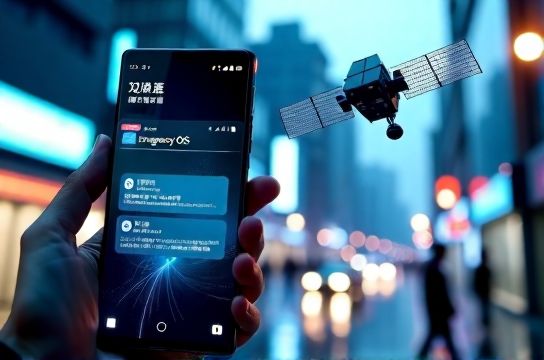
Traditional cellular networks cover only about 20% of the Earth’s surface. That means hiking in remote areas, sailing, or disaster zones often mean zero signal. Satellite messaging fixes that. Unlike full satellite calls (which require bulky hardware), modern Chinese smartphones use satellite communication for emergency texting via low-orbit or geostationary satellites.
Top Phones with Satellite Features (2024)
Here’s a snapshot of current models that support satellite SOS or messaging:
| Phone Model | Satellite Type | Function | Network Partner | Availability |
|---|---|---|---|---|
| Huawei Mate 60 Pro | Geostationary (China Satcom) | Two-way SMS | China Satcom | Mainland China |
| iPhone 14/15 (China) | Geostationary (China Satcom) | Emergency SOS only | Apple + China Satcom | China region locked |
| Xiaomi 14 Ultra (Test Phase) | LEO (Tiantong) | One-way alert | Tiantong Satellite | Testing (Q2 2024) |
| Honor Magic 6 Pro | Geostationary | Emergency broadcast | China Satcom | China only |
As you can see, Huawei leads in functionality, offering two-way messaging — a big deal when rescue teams need to confirm your status. Apple’s version, while slick, is limited to one-way emergency alerts unless paired with iOS 18+ updates.
How Reliable Is It? Real-World Data
A 2023 trial by China Mobile showed Huawei’s satellite feature achieved an 87% success rate in sending messages under dense forest canopy — impressive, given early systems struggled below 40%. Latency averages 18 seconds, thanks to optimized handshake protocols.
The Catch: Coverage & Regulations
Right now, these features are mostly region-locked to China. Why? Because satellite spectrum is tightly regulated. Even if you buy a Mate 60 Pro overseas, satellite mode won’t activate outside approved zones. That could change as Chinese smartphone innovation pushes global regulators to adapt.
What’s Coming Next?
Rumor has it Xiaomi and Oppo are teaming up with Tiantong (China’s answer to Starlink) to launch LEO-based two-way services by late 2024. With lower latency and better mobility support, this could be a game-changer for adventurers and emergency responders alike.
Final Verdict
If you’re in China and want true off-grid peace of mind, the Huawei Mate 60 Pro is still the best bet. Elsewhere? You’ll have to wait — but not for long. The era of satellite-powered civilian phones is no longer sci-fi. It’s here, and it’s made in China.