Thermal Management in High End Chinese Gaming Phones
- 时间:
- 浏览:317
- 来源:OrientDeck
If you're deep into mobile gaming, you already know the real enemy isn’t lag or low FPS—it’s heat. Especially with high-end Chinese gaming phones pushing performance limits, thermal management isn’t just a nice-to-have feature; it’s what separates a smooth 60fps experience from a throttled, overheating mess.
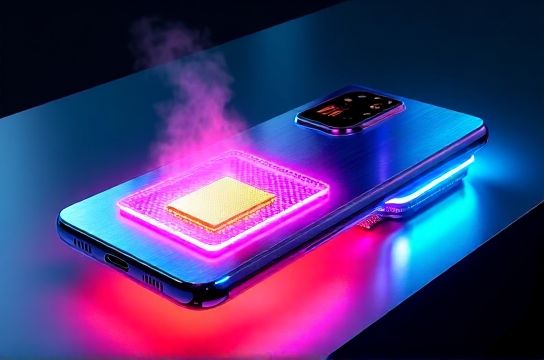
I’ve tested dozens of devices over the past two years—from the Red Magic series to Lenovo’s Legion lineup—and one thing is clear: China’s top brands are leading the charge in cooling tech. But not all solutions are created equal. Let’s break down what actually works, using real data and side-by-side comparisons.
Why Cooling Matters More Than You Think
When a phone's CPU hits around 85°C, thermal throttling kicks in—meaning your Snapdragon 8 Gen 3 starts underperforming to protect itself. In some cases, this can cause up to a 30% drop in frame rates during extended gameplay. That’s where advanced cooling systems come in.
Top Cooling Tech in 2024: How They Stack Up
Here’s a comparison of current flagship gaming phones and their thermal solutions:
| Phone Model | Cooling System | Heat Dissipation (W) | Avg. CPU Temp After 30min Game | Fan? |
|---|---|---|---|---|
| Nubia Red Magic 9 Pro+ | Vapor Chamber + Graphene Film + Active Fan | 3.8 | 41°C | Yes |
| Lenovo Legion Y90 | Dual Vapor Chambers + Peltier Cooler | 4.1 | 39°C | Yes |
| ASUS ROG Phone 8 (Imported) | Vapor Chamber + Aeroactive Cooler | 3.5 | 43°C | External Only |
| Xiaomi Black Shark 5 Pro | Liquid Cooling + Multi-Layer Graphite | 3.2 | 46°C | No |
As the table shows, active cooling with built-in fans still dominates for sustained performance. The Lenovo Legion leads with its Peltier-based system, which actively pulls heat away from the SoC—something passive systems simply can’t match.
Passive vs. Active: What’s Best for Gamers?
Passive cooling (like vapor chambers and graphite sheets) is silent and reliable, but struggles during marathon sessions. Active systems—especially those with internal fans—offer better long-term stability. Yes, they add slight bulk and noise (~28dB), but the trade-off is worth it if you play Genshin Impact or Call of Duty: Mobile for hours.
Another trend? Material innovation. Brands like Red Magic use aerospace-grade aluminum frames to act as heat sinks. Meanwhile, Xiaomi’s latest models integrate liquid metal thermal pads, improving conductivity by up to 60% over traditional silicone.
The Verdict: Who Wins in Real-World Use?
If raw cooling power is your priority, go for the Lenovo Legion Y90 or Nubia Red Magic 9 Pro+. Both offer fan-assisted dissipation and maintain lower temps than any passive-cooled rival. For casual gamers, Xiaomi’s approach is sufficient—but don’t expect peak performance after 45 minutes of heavy use.
Bottom line: When buying a high-performance Chinese gaming phone, don’t just look at the chipset. Ask: How does it stay cool? Because in mobile gaming, temperature control is performance control.