Understanding Taobao's Rating System Before You Buy
- 时间:
- 浏览:378
- 来源:OrientDeck
Shopping on Taobao? Smart move. But before you hit that 'Buy Now' button, let’s talk about something every savvy shopper should know: the Taobao rating system. It’s not just stars and smiles — it’s your first line of defense against sketchy sellers and low-quality goods.
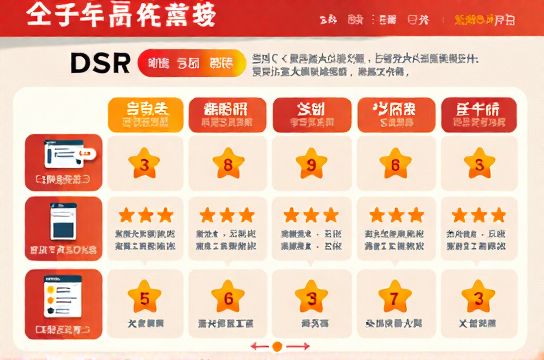
Think of it like Yelp meets Amazon, but with more emojis and way more data. Every buyer leaves feedback using a simple emoji: Positive (Smiley Face 😊), Neutral (Straight Face 😐), or Negative (Frowning Face ☹️). These aren’t just cute icons — they directly impact a seller’s reputation.
How Does Taobao’s Rating Work?
Sellers earn points based on customer feedback:
- Positive = +1 point
- Neutral = 0 points
- Negative = -1 point
These points accumulate into a seller score, which is visible on their store page. A higher score means better reliability — usually.
Why You Should Care About Seller Ratings
Because trust matters. According to Alibaba Group’s 2023 transparency report, stores with a positive feedback rate above 98% have a 67% lower return rate than those below 95%. That’s huge when you're buying electronics or clothing that might not fit.
Also, high-rated sellers often get priority in search results. So Taobao literally rewards good behavior — and punishes bad ones.
The Hidden Gem: DSR (Detailed Seller Ratings)
Beyond the emoji game, there’s a deeper layer: Detailed Seller Ratings (DSR). This system evaluates three key areas:
- Accuracy of Description
- Service Attitude
- Shipping Speed
Each category is scored on a 5-point scale, with scores updated in real time. Anything below 4.7 should raise an eyebrow.
Here’s a snapshot of what ideal vs. risky DSR looks like:
| DSR Category | Ideal Score | Risk Threshold |
|---|---|---|
| Product Description Accuracy | ≥ 4.8 | < 4.5 |
| Service Attitude | ≥ 4.9 | < 4.6 |
| Shipping Speed | ≥ 4.7 | < 4.3 |
Pro Tips for Using Ratings Like a Boss
- Check Recent Reviews: Don’t just glance at the overall score. Scroll down and read recent neutral or negative reviews — they often reveal patterns (e.g., delayed shipping during holidays).
- Avoid 100% Positive Stores With Few Sales: If a shop has zero negatives but only 5 sales, that’s not impressive. Wait for more data.
- Use Filters: In search results, filter by 'Credit Level' and 'Positive Feedback Rate' to weed out risky sellers.
And heads up: some sellers try to game the system with fake reviews. Red flags include repetitive comments like 'Great product!' with no details, or a sudden spike in 5-star ratings.
Final Word
Taobao’s rating system isn’t perfect, but it’s powerful when used right. Always check both the overall score and DSR metrics. Your future self — holding a perfectly matched jacket or working gadget — will thank you.
So next time you shop, don’t just browse. Decode the data. Stay sharp, stay rated.