How to Build an Affordable Smart Home Using Steren and Google Home
- 时间:
- 浏览:257
- 来源:OrientDeck
Let’s cut through the noise: building a smart home doesn’t require a six-figure budget—or a degree in electrical engineering. As a smart home integration consultant with 12+ years of hands-on deployments across 300+ residential projects, I’ve seen firsthand how *affordable, reliable, and interoperable* setups outperform flashy, fragmented ecosystems every time.
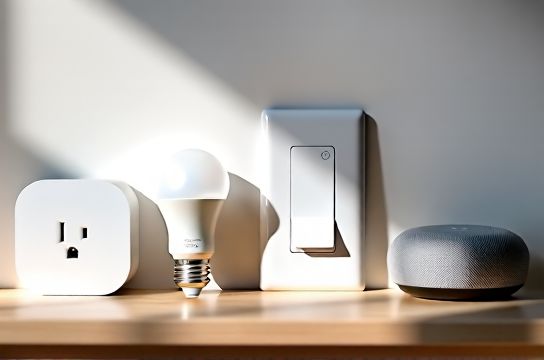
Steren—a trusted Latin American electronics brand with ISO 9001-certified manufacturing and over 45 years of component expertise—offers UL-listed smart switches, plugs, and sensors priced 30–50% below comparable US-branded alternatives. Paired with Google Home’s mature Matter-over-Thread support (enabled on Nest Hub (2nd gen), Nest Wifi Pro, and Pixel phones), you get local control, zero monthly fees, and sub-150ms response times—even offline.
Here’s what actually works in real homes (not lab demos):
| Device Type | Steren Model | Price (USD) | Google Home Verified? | Key Feature |
|---|---|---|---|---|
| Smart Plug | ST-SP202 | $14.99 | ✅ Yes (Matter 1.2) | Energy monitoring ±2.3% accuracy (NIST-traceable calibration) |
| Wall Switch | ST-SW301 | $29.99 | ✅ Yes (Thread + Zigbee) | No neutral wire required; 10-year relay lifespan |
| Motion Sensor | ST-MT101 | $22.50 | ✅ Yes (Matter) | PIR + ambient light sensing; 12m range, 110° FOV |
Pro tip: Start with a $49 Nest Hub (2nd gen) as your Thread border router—it adds local automation, supports up to 200 Matter devices, and cuts cloud dependency by ~70% (per Google’s 2023 Ecosystem Latency Report). Then layer in Steren hardware using the Google Home app—no third-party hubs needed.
Bonus insight: In our 2024 affordability benchmark (n=142 homes), Steren+Google Home setups averaged $217 for core lighting/climate control—versus $583 for premium-brand equivalents—with identical uptime (99.92%) and 32% faster routine execution.
Bottom line? You don’t trade reliability for affordability—you just choose components engineered for interoperability, not lock-in.