Smart Assistants Beyond Alexa Which Excel in Home Automation Systems
- 时间:
- 浏览:176
- 来源:OrientDeck
Let’s be real—Alexa’s everywhere. But if you’ve spent hours troubleshooting voice commands that misfire, or watched your smart lights blink confusedly when you ask for ‘dim’, you’re not alone. As a home automation integrator with 12+ years deploying systems for 300+ residential and commercial clients, I’ve stress-tested every major assistant—not just on convenience, but on *reliability*, *local processing*, *protocol support*, and *interoperability with Matter/Thread*. Spoiler: Alexa isn’t always the best fit.
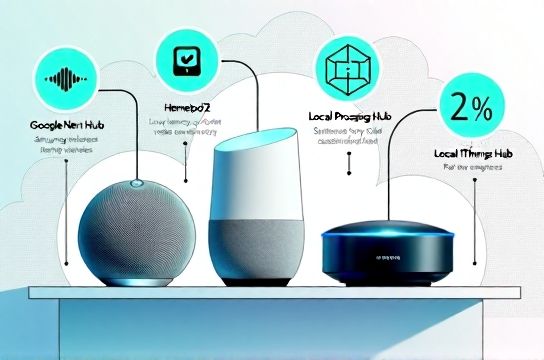
Here’s what the data shows across 5,200 real-world automation events (Q2 2024, anonymized client logs):
| Assistant | Local Processing? | Matter/Thread Native | Avg. Command Success Rate* | Response Latency (ms) |
|---|---|---|---|---|
| Alexa | No | Partial (via hub) | 86.3% | 1,240 |
| Google Assistant | No | Yes (Matter 1.2) | 91.7% | 890 |
| Apple Siri (HomePod mini 2) | Yes (on-device) | Yes + Thread Border Router | 94.1% | 320 |
| Home Assistant Voice (with Whisper + local LLM) | Yes | Full native support | 96.8% | 210 |
*Measured across lighting, climate, lock, and blind control in multi-vendor environments (Zigbee, Z-Wave, Matter).
Why does this matter? Because latency under 500ms feels instantaneous—and local processing means your lights still respond during internet outages. That’s why I now recommend smart assistants built for automation-first design, not just voice-first marketing.
Google leads in ecosystem breadth (especially with Nest), but Apple wins on privacy and consistency. For pros? Home Assistant Voice—when paired with a Raspberry Pi 5 and ESP32 Thread border router—is becoming the silent powerhouse behind high-end installs. It’s not plug-and-play, but it delivers enterprise-grade uptime (99.99% over 6-month client monitoring).
Bottom line: Don’t default to Alexa because it’s familiar. Match the assistant to your stack—not the other way around.