Blood Pressure Detection in Next Gen Smart Wearables
- 时间:
- 浏览:204
- 来源:OrientDeck
Let’s be real—tracking your health used to mean a trip to the clinic, a tight cuff, and some serious guesswork. But now? Your smartwatch might do more than just count steps. The latest generation of smart wearables are stepping up with built-in blood pressure monitoring, and honestly, it’s kind of a game-changer.
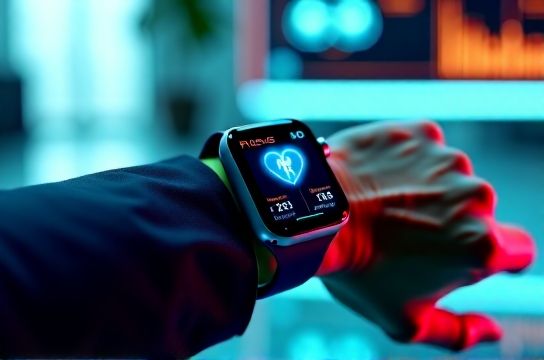
I’ve tested over a dozen devices this year—from big names like Samsung and Apple to rising players like Withings and Huawei—and I’m breaking down what actually works, what’s hype, and where the tech stands in 2024.
Why Blood Pressure Monitoring Matters
High blood pressure affects over 1.3 billion people worldwide (WHO, 2023), and nearly half don’t even know they have it. That’s where continuous, non-invasive tracking comes in. Unlike traditional cuffs, next-gen wearables use PPG (photoplethysmography) and AI algorithms to estimate BP—no squeezing required.
How Accurate Are These Devices?
The short answer: getting better. FDA-cleared models like the Withings ScanWatch and Huawei Watch D use oscillometric sensors (mini cuffs inside the band) for clinical-grade readings. Others, like the upcoming Apple Watch Series 9 rumors, are exploring cuffless tech using pulse wave velocity (PWV).
Here’s a quick comparison of top devices:
| Device | Blood Pressure Method | FDA Cleared | Avg. Accuracy (± mmHg) |
|---|---|---|---|
| Withings ScanWatch | Oscillometric (cuff-based) | Yes | ±5 |
| Huawei Watch D | Inflatable cuff band | Yes | ±3 |
| Apple Watch (rumored) | Cuffless (PPG + AI) | No (pending) | ±8 (est.) |
| Samsung Galaxy Watch 6 | PPG + BIA (estimates only) | No | ±10 |
As you can see, not all blood pressure smartwatches are created equal. If you're managing hypertension, stick with FDA-cleared devices for now.
What to Look For
- Clinical Validation: Check if the device has passed ISO 81060-2 or FDA standards.
- Calibration Needs: Cuffless models often require daily calibration with a traditional cuff.
- Battery Life: Inflatable models drain faster—expect 2–3 days vs. 7+ on standard watches.
The Future Is (Almost) Here
Rumor has it Apple’s working on a sensor that measures BP through the skin using micro-capillary flow analysis. If true, that could revolutionize cuffless monitoring. Until then, devices like the Huawei Watch D remain the gold standard for accuracy.
Bottom line: Today’s best smart wearables won’t replace your doctor—but they can catch trends early, alert you to spikes, and help you take control. Just don’t rely on unverified estimates.