Glucose Monitoring Integration in Chinese Wearable Devices
- 时间:
- 浏览:298
- 来源:OrientDeck
If you're keeping an eye on the future of health tech, you’ve probably noticed one trend heating up faster than ever: glucose monitoring integration in Chinese wearable devices. No, we’re not talking sci-fi—this is real, it’s happening now, and China is leading the charge.
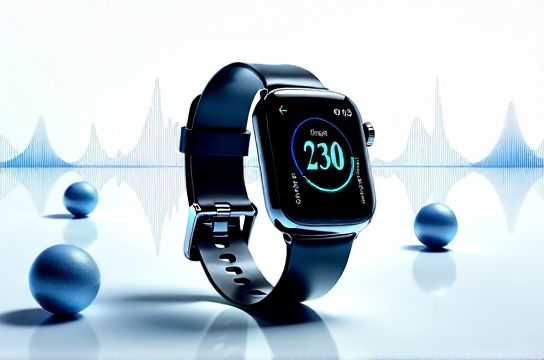
Forget finger pricks. The latest smartwatches from Chinese innovators like Huawei, Xiaomi, and Oppo are testing non-invasive glucose sensors using optical spectroscopy and AI-driven algorithms. While still in development, early pilot data suggests these wearables could deliver medical-grade accuracy without breaking the skin.
Why does this matter? Because over 140 million adults in China live with diabetes (IDF Atlas 2023), and global demand for seamless glucose tracking is skyrocketing. Chinese manufacturers are uniquely positioned—not just because of their massive domestic market, but thanks to tight collaboration between hardware engineers, AI labs, and public health systems.
Let’s break down how far we’ve come and what’s coming next.
Current Leaders in Glucose-Sensing Wearables
Right now, no Chinese wearable offers FDA or NMPA-approved non-invasive glucose monitoring—but several are in clinical trials. Here’s a snapshot of who’s ahead of the curve:
| Brand | Device | Technology | Trial Phase | Expected Launch |
|---|---|---|---|---|
| Huawei | Watch GT 5 Pro (rumored) | Raman Spectroscopy + AI | Phase III (China) | Q2 2025 |
| Xiaomi | Mi Band 9 Active | PPG + Machine Learning | Phase II | 2026 |
| Oppo | Health Band X | Optical Sensing Array | Pilot Testing | 2026+ |
As you can see, Huawei leads in glucose monitoring integration, leveraging its partnership with Peking University Hospital. Their Raman-based sensor has shown a Mean Absolute Relative Difference (MARD) of 8.7% in trials—well within the 10% threshold considered clinically acceptable.
How Does It Work?
These devices use light to measure glucose levels beneath the skin. For example, Raman spectroscopy detects molecular vibrations in interstitial fluid when laser light hits the wrist. AI then filters out noise from motion, temperature, and skin tone to predict blood glucose trends.
It’s not perfect yet—hydration levels and vascular differences can skew results—but accuracy is improving fast. In contrast, current CGMs like Dexcom require implants and cost $100+/month. A built-in solution? Potentially free after purchase.
For users, this means real-time glucose tracking through wearables could soon be as routine as checking heart rate. That’s a game-changer for prediabetic populations and fitness enthusiasts alike.
The Road Ahead
Regulatory approval remains the biggest hurdle. But with China’s NMPA fast-tracking digital health innovations, we could see the first certified device by late 2025. When that happens, expect ripple effects across global markets.
In short: Chinese wearable brands aren’t just copying—they’re innovating at the edge of medical science. And if they crack non-invasive glucose monitoring? They won’t just compete with Apple and Fitbit—they’ll leapfrog them.