V2X Connectivity Driving the Future of Intelligent Transport
- 时间:
- 浏览:285
- 来源:OrientDeck
If you're into smart cities or next-gen mobility, there's one tech buzzword you can't ignore: V2X connectivity. Think of it as the nervous system of future transportation — allowing vehicles to talk not just to each other, but to traffic lights, sidewalks, and even road signs. As someone who’s been tracking automotive innovation for over a decade, I can tell you this isn’t sci-fi anymore. It’s real, it’s rolling out, and it’s set to cut crashes by up to 80% according to the U.S. Department of Transportation.
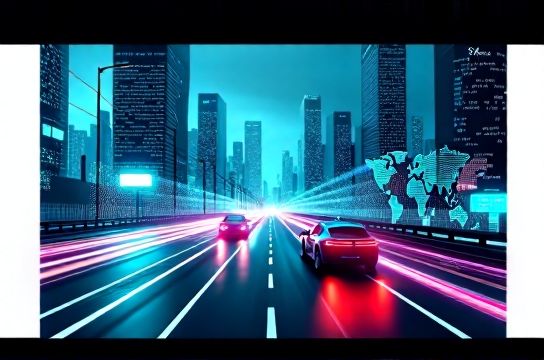
What Exactly Is V2X?
V2X — short for Vehicle-to-Everything — includes several subtypes:
- V2V (Vehicle-to-Vehicle)
- V2I (Vehicle-to-Infrastructure)
- V2P (Vehicle-to-Pedestrian)
- V2N (Vehicle-to-Network)
All of these work together using either Dedicated Short-Range Communications (DSRC) or the newer C-V2X (Cellular V2X) standard based on 4G/5G networks. And here's the kicker: C-V2X is gaining massive traction thanks to better range, lower latency, and seamless integration with existing cellular infrastructure.
Real-World Impact? Let’s Talk Numbers
The National Highway Traffic Safety Administration (NHTSA) estimates that V2X could prevent or mitigate over 615,000 crashes annually in the U.S. alone. That’s huge. But safety isn’t the only win. Cities using V2X report up to 20% reduction in travel time and 15% lower emissions due to smoother traffic flow.
Here’s a quick comparison of current V2X technologies:
| Feature | DSRC | C-V2X (Release 14+) |
|---|---|---|
| Communication Range | 300m | 500m+ |
| Latency | 20ms | 10ms |
| Penetration Rate Needed | 20% | 10% |
| Supports 5G Evolution | No | Yes |
| Deployment Cost | High (dedicated hardware) | Lower (uses cellular) |
As you can see, C-V2X wins on almost every front. No surprise then that automakers like Ford, Audi, and BMW are betting big on it.
Where Is V2X Being Used Today?
China leads global adoption, with over 3,500 km of smart highways already deployed. In the U.S., Detroit and New York have launched pilot programs integrating V2I signals into emergency braking systems. Meanwhile, the EU’s Corridor Project links Germany, Austria, and the Netherlands with cross-border V2X-enabled roads.
But don’t expect full rollout overnight. Challenges remain — from spectrum allocation to public-private cooperation. Still, with 5G expanding and governments pushing for greener, safer transport, the momentum is undeniable.
The Bottom Line
V2X isn’t just about smarter cars — it’s about redefining how we move. Whether you’re a city planner, auto enthusiast, or tech investor, now’s the time to get informed. The road ahead is talking. Are you listening?